Not Your Average Fast Food Story: Why Guzman y Gomez Chooses the Harder Path
Lim Kok Hong is the Managing Director of Guzman y Gomez (GYG) Singapore, and he did not come to fast food by accident. He was drawn to GYG because of a mission that sounded almost contrarian for the industry: to reinvent fast food and change the way the masses eat, proving that food can be both fast and clean, healthy and satisfying, without compromise. Together with his business partner, Josh Bell, he saw an opportunity to bring the brand to Singapore – not just as another fast food franchise, but as a business Singaporeans could be proud to work for. Underpinning it all is a simple belief that long-term success comes from looking after customers, employees, suppliers and communities together, and not one at the expense of another.
Good, Built Into the Everyday
GYG, Kok Hong says, is not for everyone. From day one, the company has made harder choices to stay true to its values, insisting on real, clean ingredients across every supplier relationship, free of added preservatives, artificial colours, artificial flavours or unacceptable additives, even when cheaper alternatives are readily available. He firmly believes that customers should never have to choose between convenience and quality. That same standard extends inward.
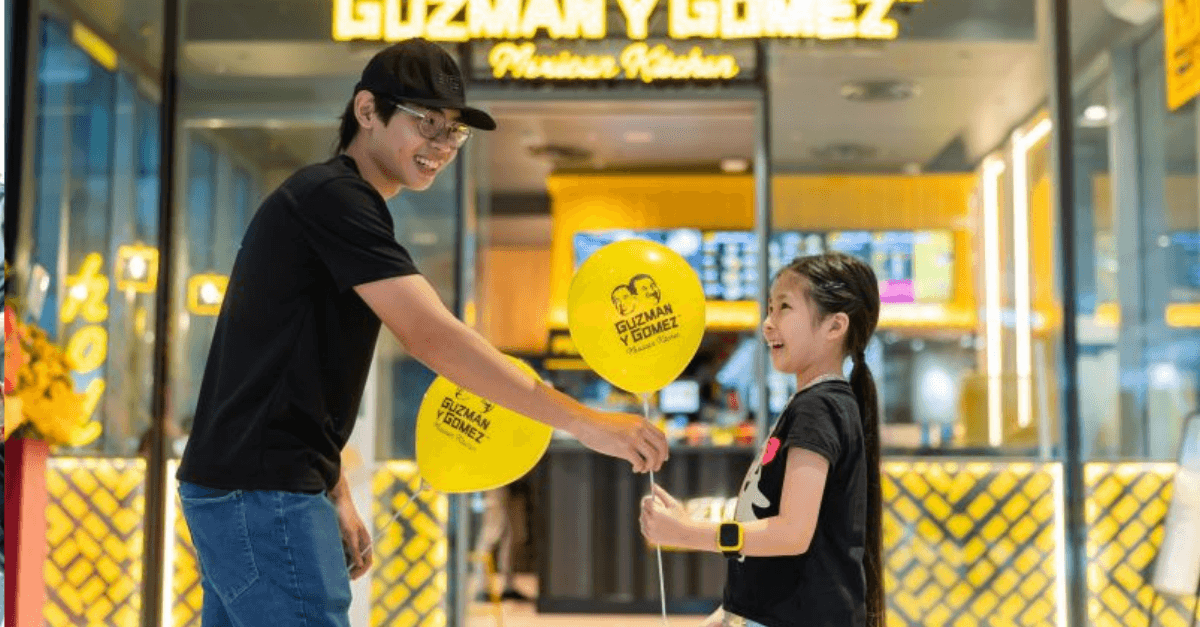
Many of GYG's restaurant leaders started out as crew or cooks, working their way up through clear career pathways and recognition programmes that celebrate not just performance and tenure, but how well someone lives out the company's values. Even GYG’s packaging follows the same instinct of making the choice of using environmentally-friendly biodegradable materials, even when they cost more in the short term.
Second Chances, Not Second Thoughts
The part of the job Kok Hong speaks of with the most pride, though, has little to do with food at all. GYG's partnership with Yellow Ribbon Singapore reflects a deep, deliberate commitment to second chances, to look past someone's history and focus instead on their potential and attitude.
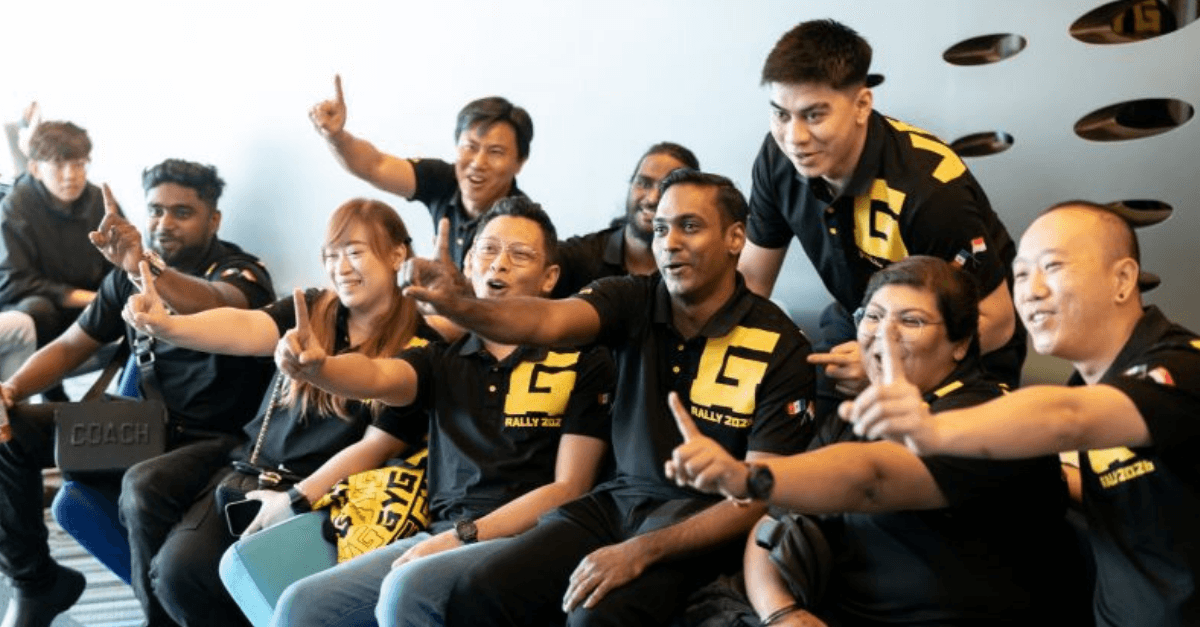
Some of the individuals who came through this partnership have gone on to leadership positions themselves, becoming role models for their peers. It is a quiet but firm stance in an industry not always known for taking chances on people: that a person's past need not define their future, especially when someone is willing to stand behind them.
Choosing Good for the Long Haul
Running a profit-driven business and doing good don't always point in the same direction, and Kok Hong doesn't pretend otherwise. Clean ingredients, sustainable packaging, and investing in training and second-chance hiring all cost more in the short term. But at GYG, these aren't sunk costs. They're investments. Operating authentically builds customer trust. People who feel valued stay longer and lead better, and businesses that give back tend to find their communities give back too. The guiding principle, as Kok Hong puts it, is to make decisions today that the company will still be proud of ten years from now, rather than decisions that simply improve next month's profit margin.
What a Good Business Looks Like
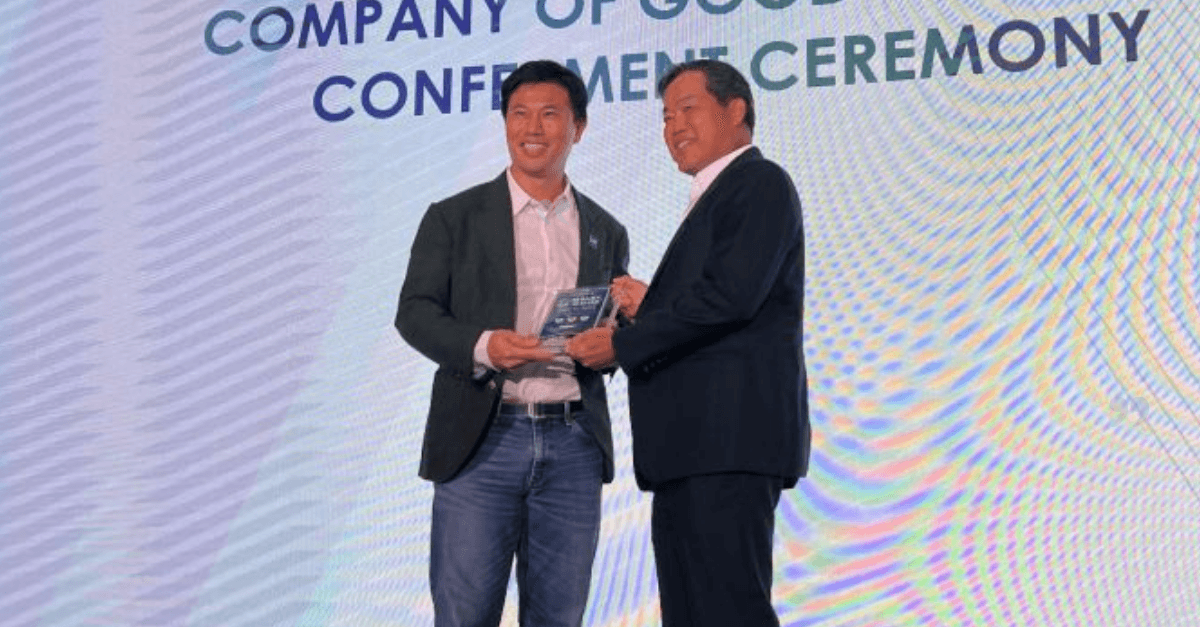
To Kok Hong, a Company of Good is one that creates value beyond financial results. Looking after people, protecting the environment and contributing to society aren't side projects, but part of everyday operations. Every leader on the team understands that their work contributes to something bigger. His time at GYG has reinforced a lesson he now holds close: a good business isn't defined by how fast it scales or how much profit it generates, but by whether it consistently does the right thing and stays true to its values – especially when nobody is watching.